
As the landscape of employment in the U.S. continues to evolve, the H-1B visa program remains a focal point for both employers and foreign workers. The upcoming changes in the minimum wage requirements for H-1B visa holders in 2025 are set to have significant implications for the tech industry and beyond. Understanding these changes is crucial for businesses looking to hire international talent while navigating compliance challenges.
With the new regulations, employers will need to adapt their compensation strategies to meet the heightened wage standards. This shift aims to protect American jobs while ensuring that skilled workers are fairly compensated. As the deadline approaches, it’s essential for stakeholders to stay informed about the potential impacts on hiring practices and workforce dynamics.
Overview of H1B Minimum Wage Requirement 2025
The H-1B minimum wage requirement for 2025 aims to strengthen wage protections for foreign workers while addressing potential impacts on the U.S. labor market. This requirement sets a new wage floor that employers must meet when hiring H-1B visa holders.
- Wage Increase: The U.S. Department of Labor has proposed increasing the minimum salary for H-1B positions to $100,000 annually. This adjustment aligns wages more closely with industry standards.
- Impacted Industries: Tech companies, healthcare providers, and engineering firms will experience the most significant changes. These sectors rely heavily on skilled foreign labor and must adapt compensation strategies accordingly.
- Employer Compliance: Employers must certify compliance with the new wage standards during the H-1B filing process. Failure to meet these requirements may result in penalties, including the denial of visa applications.
- Job Market Effects: As employers adjust compensation, competition for H-1B positions could increase. U.S. workers may experience improved wage prospects as companies prioritize higher salaries to attract talent.
- Timeline: The new wage requirements take effect starting January 1, 2025. Employers should update hiring practices before this deadline to ensure compliance with the new regulations.
Understanding these minimum wage requirements is crucial for employers aiming to navigate the evolving landscape of the H-1B visa program effectively.
Changes in Wage Levels for H1B Visa Holders
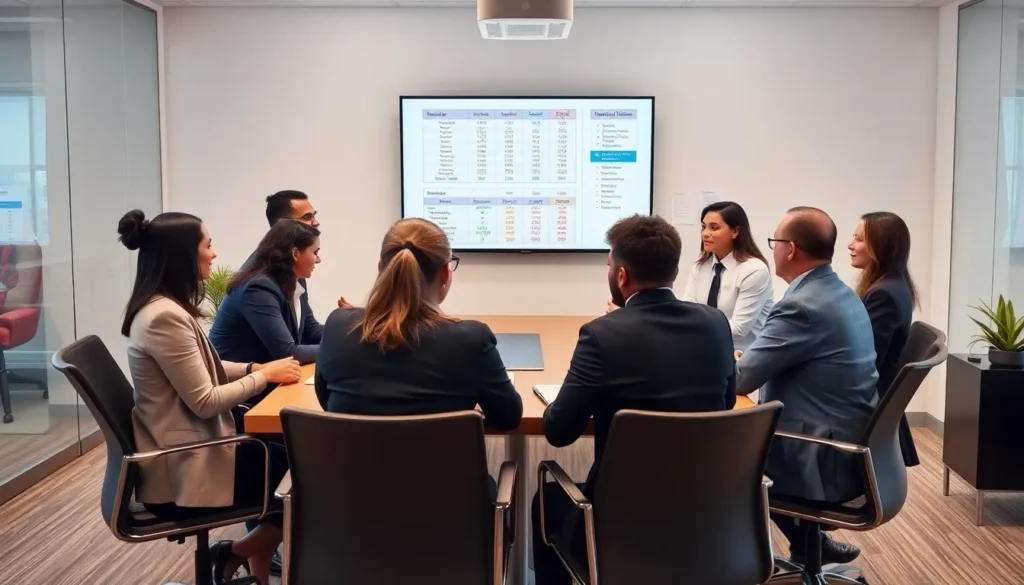
The upcoming changes in 2025 introduce new minimum wage requirements for H-1B visa holders. These adjustments emphasize wage protection and significantly influence compensation strategies across various industries.
New Salary Thresholds
Starting January 1, 2025, the minimum salary threshold for H-1B visa holders increases to $100,000 per year. Employers must ensure salaries meet or exceed this standard for all H-1B positions. New threshold adjustments will reflect geographic labor market variations and industry standards. The U.S. Department of Labor will review and adjust these levels annually, aiming to keep pace with inflation and changing economic conditions. Employers across tech, healthcare, engineering, and other sectors must stay informed about specific local salary requirements to remain compliant.
Impact on Employees and Employers
H-1B visa holders will benefit from enhanced wage protections, leading to potentially better compensation packages. Enhanced wage requirements may increase job competition, offering higher salaries not only for H-1B positions but also for comparable jobs held by U.S. workers. Employers will face challenges in adjusting their salary offerings to meet the new benchmark, impacting hiring strategies and overall budget planning. Non-compliance may result in application denials, making it essential for businesses to review payroll structures and ensure adherence to the updated rules. H-1B holders may experience improved job security and workplace satisfaction as employers prioritize fair compensation practices.
Implications for Businesses
The upcoming changes to the H-1B minimum wage requirement in 2025 present various implications for businesses. Firms must navigate new wage thresholds and comply with enhanced regulations affecting their hiring strategies and payroll structures.
Potential Challenges
- Increased Labor Costs: Employers may face a significant rise in labor costs as the minimum salary for H-1B visa holders increases to $100,000 annually. This change could strain budgets, especially for small and mid-sized businesses.
- Recruitment Difficulties: Companies may struggle to attract talent while competing with organizations that can afford higher wages, potentially leading to talent shortages in critical areas.
- Compliance Risks: Failure to adhere to new wage standards can result in severe penalties, including visa denials. Businesses must ensure accuracy in wage documentation and compliance processes to avoid falling foul of regulations.
Strategies for Compliance
- Review Compensation Structures: Businesses should audit current pay rates and align them with the new minimum wage requirements. Adjusting salary offerings will facilitate compliance while remaining competitive.
- Engage Legal and HR Experts: Consulting with legal scholars and human resources professionals will ensure a thorough understanding of the new regulations. They can provide insights on best practices for compliance and risk management.
- Implement Training Programs: Organizations should educate their hiring managers and HR teams about the updated requirements, promoting a culture of compliance and awareness regarding wage standards.
- Utilize Technology Solutions: Adopting payroll and compliance software can streamline processes, ensuring that wage adjustments and record-keeping practices meet legal standards effectively.
Effects on the Job Market
The changes to the H-1B minimum wage requirement in 2025 will manifest significant effects on the job market, particularly influencing the supply of skilled labor and various industries. Employers across sectors must adapt to the elevated compensation standards while evaluating their hiring strategies.
Influence on Skilled Labor Supply
The 2025 minimum wage increase to $100,000 may discourage some employers from hiring H-1B visa holders due to heightened labor costs. Skilled labor supply might tighten as companies reassess the feasibility of sponsoring H-1B workers. Potential foreign candidates may find opportunities in markets with less stringent wage expectations, resulting in a possible decline of top talent in the U.S. Conversely, enhanced wage protections may attract higher-caliber applicants seeking competitive compensation in the American job market, leading to an increase in the overall quality of skilled labor.
Impact on Industries and Sectors
Certain industries will experience more pronounced impacts from the new wage requirements. The tech industry, which relies heavily on H-1B workers, faces challenges in managing rising payroll expenses. Companies may need to adjust salary structures, creating upward pressure on wages for U.S. workers in similar roles, increasing market competitiveness. Healthcare and engineering sectors may also feel effects, with recruitment difficulties exacerbated by the new pay floor. Small to mid-sized businesses might struggle more than larger corporations due to limited financial flexibility when adjusting salaries. This environment could foster innovation in workforce strategies as employers seek to attract and retain talent in a dynamic labor landscape.
The upcoming H-1B minimum wage requirement in 2025 marks a pivotal shift in the employment landscape. Businesses need to prepare for increased labor costs and adapt their hiring strategies accordingly. As the tech industry and other sectors adjust to these changes, competition for skilled talent is likely to intensify.
Employers must prioritize compliance and consider innovative approaches to attract and retain workers. By staying informed and proactive, businesses can navigate the challenges posed by these new wage standards while benefiting from a more competitive job market. Enhanced wage protections for H-1B visa holders may ultimately contribute to a healthier labor environment for all.


